


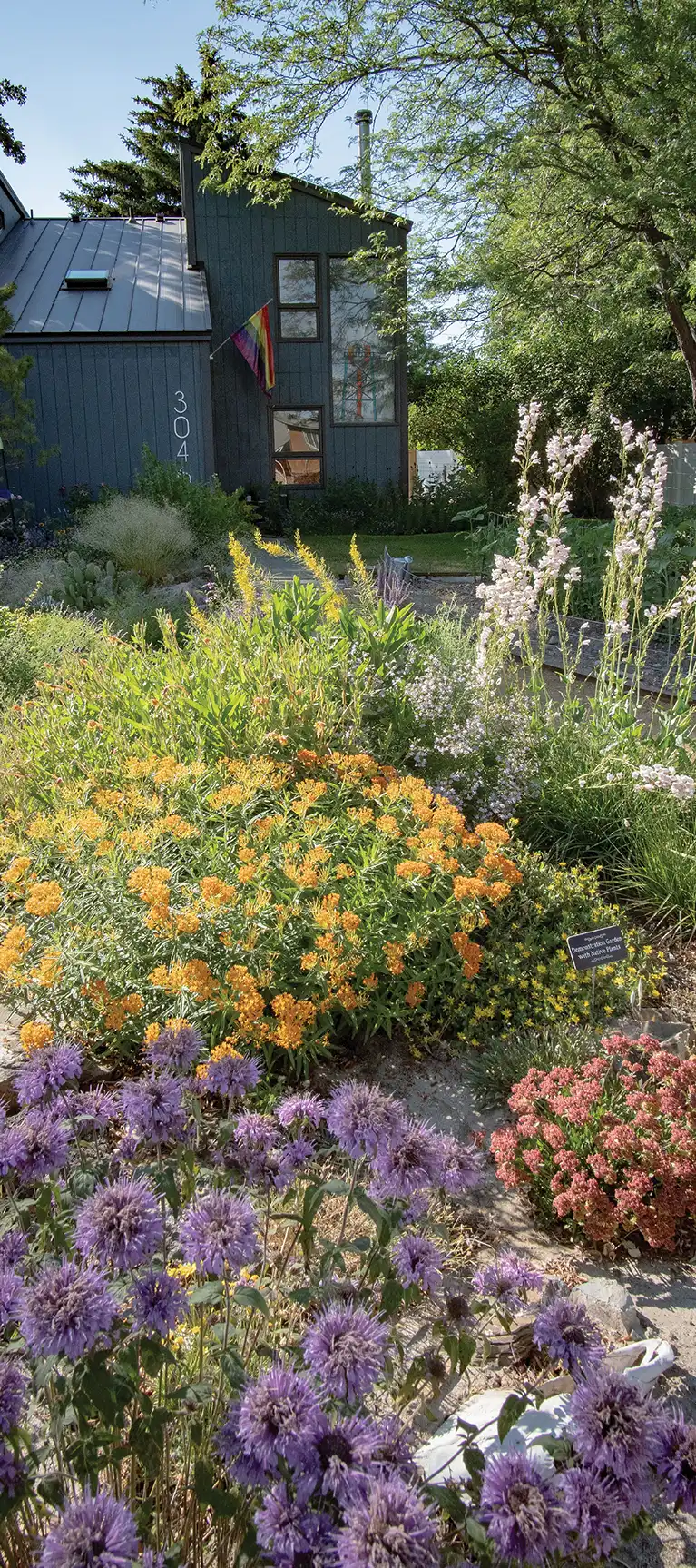
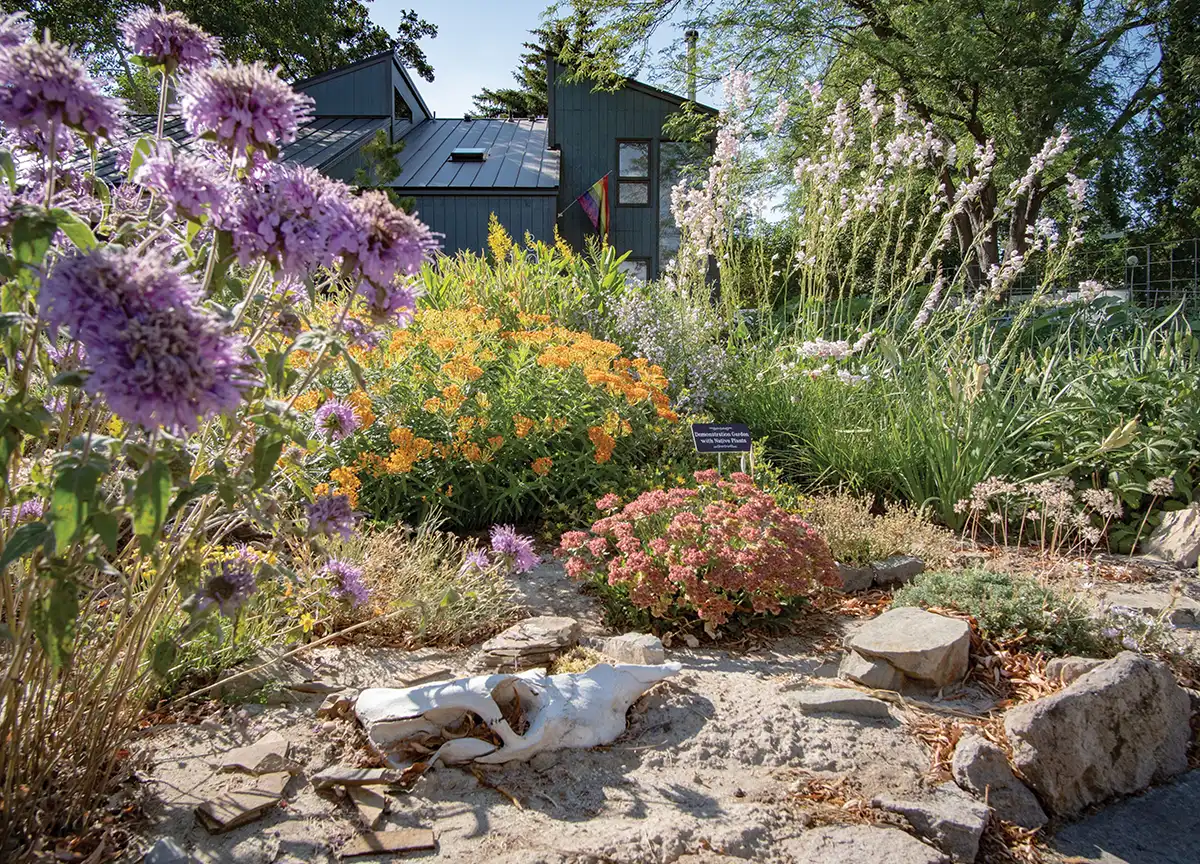
ristin Kaser, of Idaho Falls, has spent countless hours in her native garden, taking great care of over 100 plant species. It’s in her front yard off Disney Drive. There’s an array of beautiful colors.
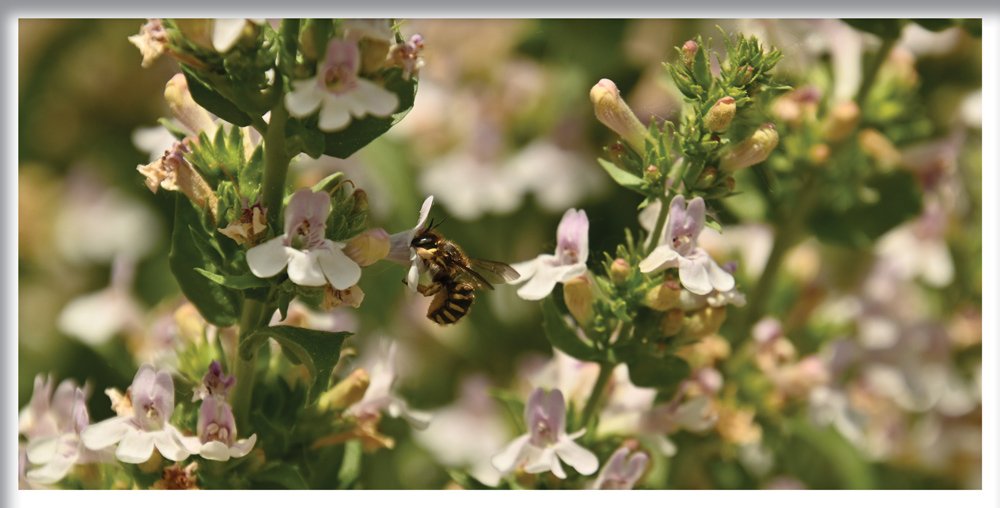
Native gardening is the use of native plants like trees, shrubs, and grasses within a specific region. The plants rarely require pesticides or fertilizers once they are established. They also support pollinators and wildlife.
Her native garden is a demonstration of the sagebrush steppe ecosystem of the upper Snake River Plain. There’s a variety of textures. It highlights the biodiversity of the eastern Idaho region’s cold desert. The upper beds feature plants such as mountain sagebrush, elderberry and western coneflowers.
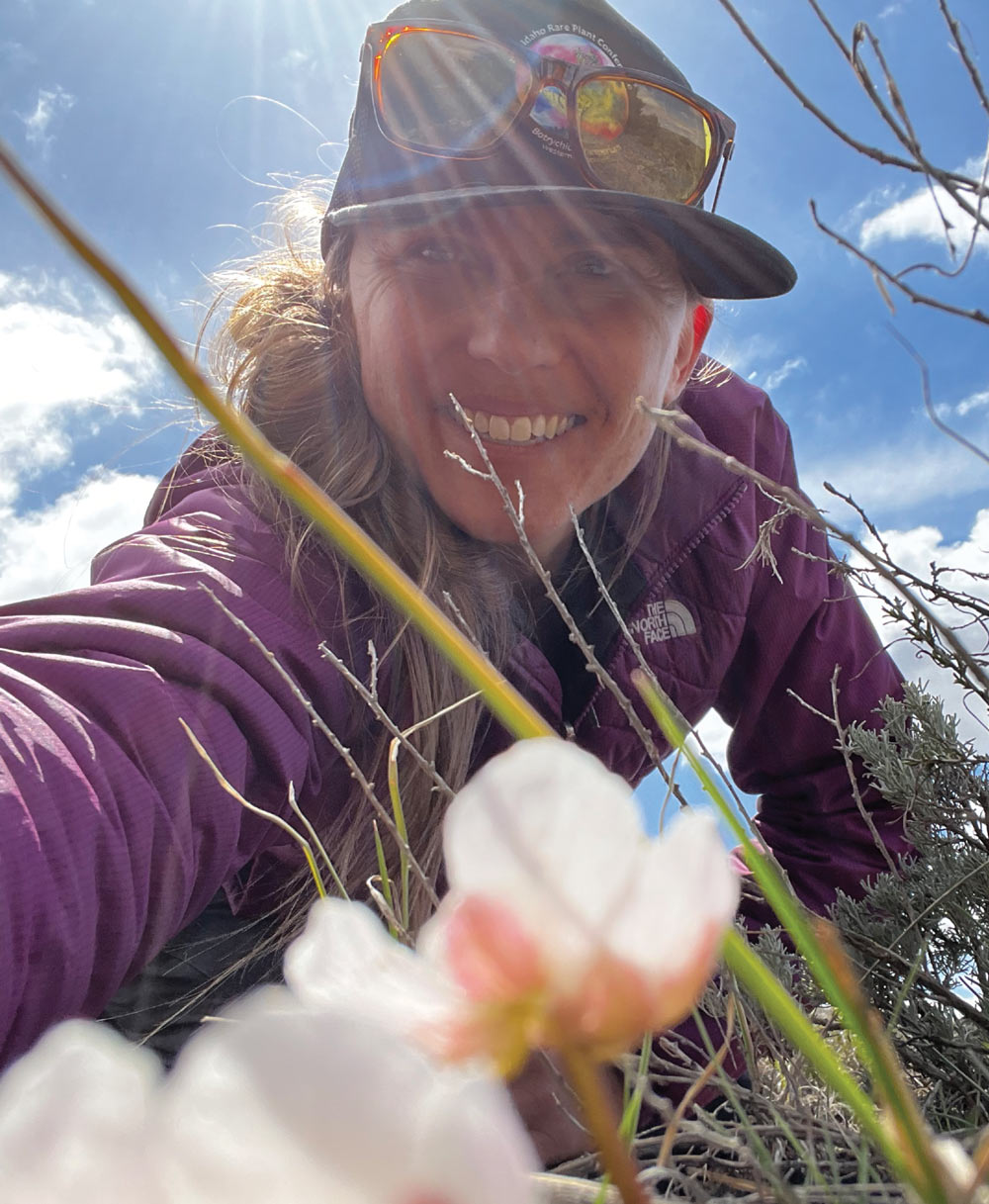
Kristin graduated from Idaho State University in 2016 with a Bachelor of Science in Ecology and Conservation Biology. She works at the Idaho National Laboratory as a botanist and herbarium curator. She never does the same thing day in and day out.
“The botany that I do is to measure plants, to understand if habitats are ecologically different year to year. And if those differences are neutral, if they’re positive, or if they’re negative. I do that through statistics. So, I’m trying to see if the changes are normal or not. And if those changes could mean good things, or if they could mean bad things,” she explained.
When plants are growing, Kristin goes out to the desert to measure them. There is an Ecology Intern Program that she and a co-worker manage together.
“They do the bulk of the collecting of our data for trying to understand how things are out there in that current year compared to past years,” she said.
Kristin runs a lab that has a collection of dried, pressed, and cataloged plant specimens organized for scientific reference and research.
“It’s called a herbarium. I’m a curator of that. You can think of it kind of like a library. I’m sort of a librarian putting the books in the Dewey Decimal system. I’m putting specimens in alphabetical order by scientific family,” she said.
Outside of work, botany bleeds over into everything Kristin does. She’s been a member of the Idaho Native Plant Society since 2017, which is a “statewide non-profit organization dedicated to promoting interest in native plants and plant communities, and collecting and sharing information on all phases of the botany of native plants in Idaho,” according to its website.
Kristin has gone on botanical expeditions into Idaho’s mountains, climbing peaks over 11,000 feet to document alpine plant communities and search for rare species. She’s additionally been invited to collaborate on describing a newly discovered plant species for science.
She said plants are important and explained it’s commonly understood that plants provide us medicine, but many may not realize how powerful those medicines can be. The Pacific yew’s bark, for example, has been made into a lifesaving compound to treat cancer.
It’s one of the many reasons Kristin cares about documenting and protecting plants and another reason to bring native plants into personal gardens.
Her native garden took years of hard work. She decided she wanted to become more knowledgeable about how to keep plants alive in Idaho. Kristin learned how to garden through the Idaho Master Gardener Program offered through the University of Idaho Extension.
The program helps participants gain a foundation in both the science and art of gardening. She said you don’t need a science degree. You just need curiosity and a willingness to learn.
She welcomes anyone to stop by her front yard at 3046 Disney Drive and see what she has created.
“Whether that’s a slow drive-by peek or stopping to walk the pathways, everyone is invited. And if I happen to be out gardening, I’m always happy to chat about the yard or anything else — sharing this passion is one of my favorite things,” she said. “I am so addicted to botany. I cannot, not do it.”