


“I noticed that I wasn’t getting around on the trail very well,” says Steve, fly fisher, photographer and retired Idaho Falls Magazine editor. “I’ve always been a bit of a klutz, but something was off. There was something more going on medically.”
He was diagnosed with a variant of ALS, a neurologically degenerative disease also known as Lou Gehrig’s disease. The rare type Steve has doesn’t interrupt involuntary bodily functions like breathing, but it does mess with his speech, his grip, his gait.
“I need to do as much as I can to get out and enjoy nature like I always used to and make the most of it,” Steve says as he leans on his car while showing me his custom-made walking stick that has a hand-carved steelhead as its grip. “I need to make every second count so that’s where I’ve been. I’ve been out.”
Steve’s outings look different these days. His field work requires special equipment, and specific access that he never thought about when he took mobility for granted. There’s the trike with off-road tires. The backpack that quickly turns into a chair, the harness for his camera, the crutches as his extra pair of legs.
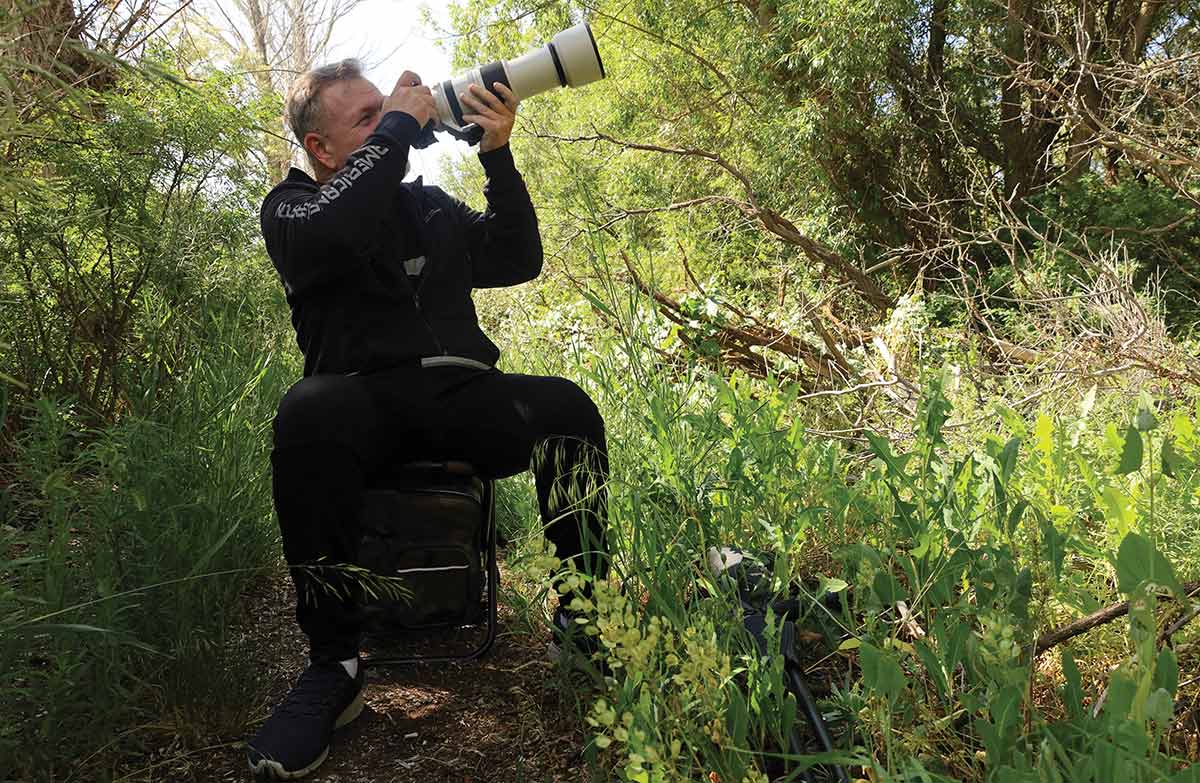
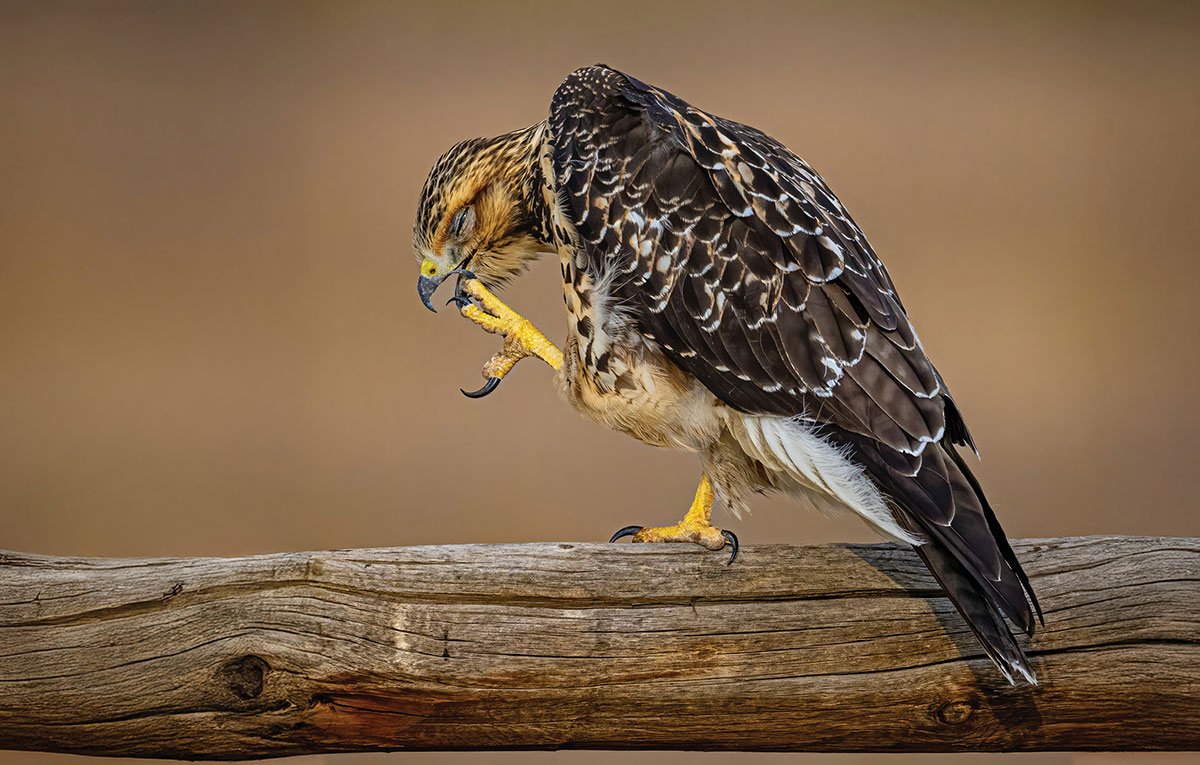
Birds are what he photographs most often, holding still and letting them come to him instead of playing chase. How Steve maneuvers the outdoors is driven by two things. His desire to be out and his occupational therapy.
“When we work with individuals with chronic diseases that are never going to get better, we work on integrity and independence even though they might be degrading,” says Travis Bennett, Premiere Therapy occupational therapist.
“The whole focus of occupational therapy is we want people to be able to participate in what’s meaningful to them for as long as they can.”
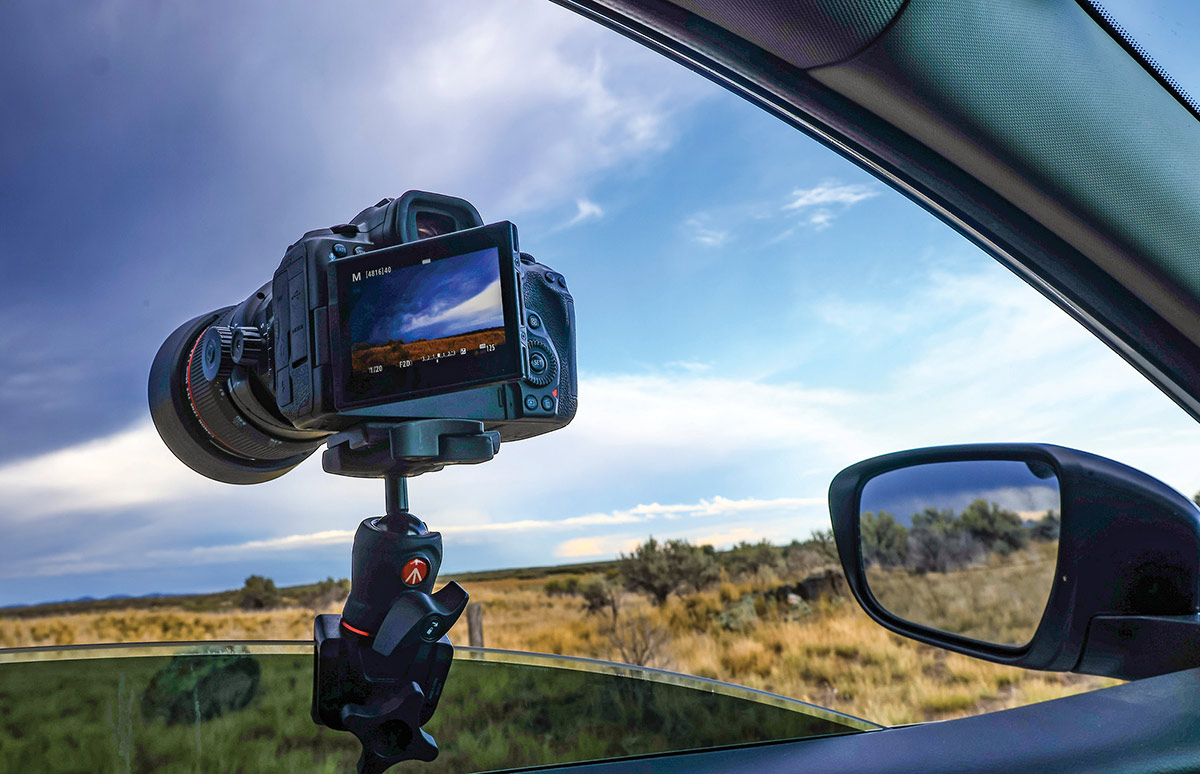
Travis puts a wader-wearing Steve in a current-infused swimming pool with a submerged treadmill and tells him to walk. It’s balance and strength training. He has him tie flies for manual dexterity too. Steve’s also learned to cast a fly rod while sitting on his trike and shoot wildlife photos while sitting in his car. The images are just as stunning as when he could stand on his own.
“A lot of what I do is find places that have good access where I can shoot directly from my car or where I can get out to make a short hike,” Steve says. “I have severe limitations with walking but with my crutches and a couple of tricks in how I pack my gear, I can make it out into wooded areas and shoot whatever comes my way.”
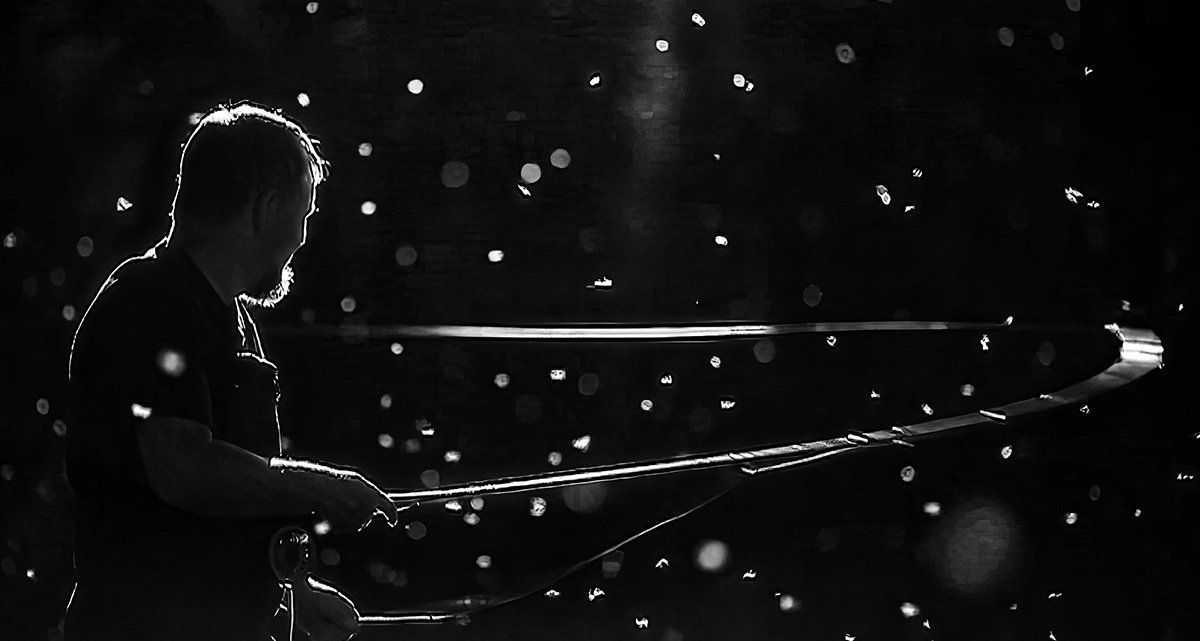
Look at his ‘Last Cast’ selfie again. The man casting in the river with beard, bugs and backlight. You won’t see loss. You’ll see life.