


Sage grouse unintentionally fly into barbed wire in the low-light hours of dawn and dusk. Elk, deer, moose and bighorn sheep try to jump over it. Pronghorn prefer to slide under it. Regardless of crossing technique, fences are in the wild’s way while those same fences serve their intended purpose of corralling cattle. Flying into wire snaps wings. Jumping over, and sliding under, it snags legs, bellies and backs with potentially fatal results.
“Sage grouse are large birds. They’re strong fliers. Hitting a strand of barbed wire at high speed can instantly kill them,” says Zach Lockyer, Idaho Department of Fish and Game Southeast Region regional wildlife manager. “In spring, the birds breed early in the morning during that twilight period. Visibility is poor. They’re flying low to the ground. Obstacles like fences are probably really hard to see.”
Barbed wire fences are permanent fixtures across the country, but they haven’t always been so prominent. In the early 1800s, they were nearly non-existent. Joseph Glidden holds the 1874 patent for barbed wire. His Illinois factory produced 32 miles the same year. Now, there’s an estimated 620,000 miles of barbed wire wrapped around the West.
Gear To Consider For Desert Recreation
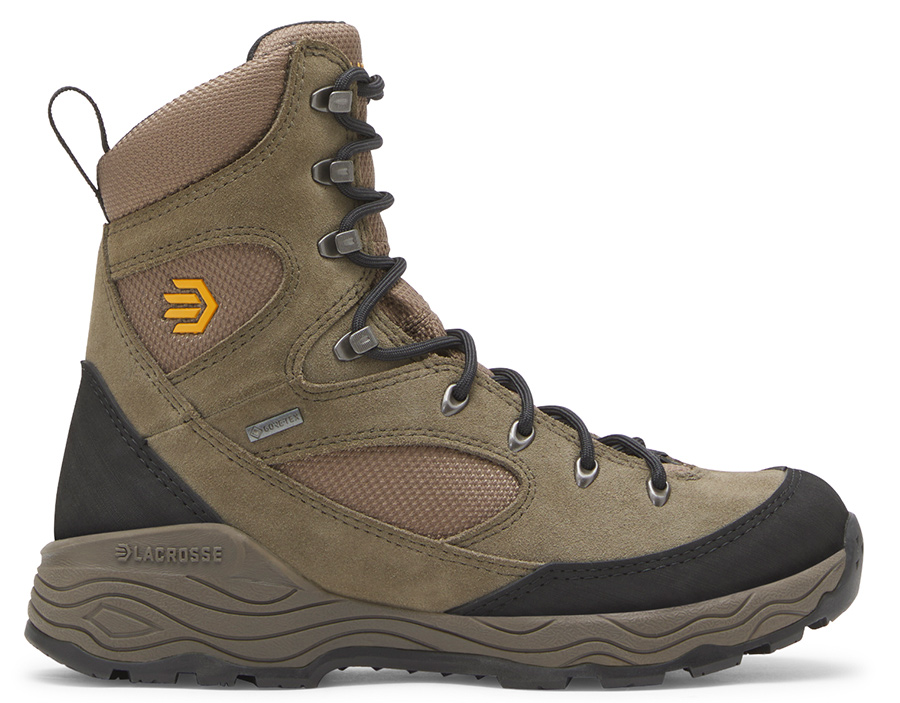
Waterproof, breathable trekking boot made of suede and nylon for flex and traction. Also available with insulated option for winter recreation. $230 (lacrossefootwear.com)
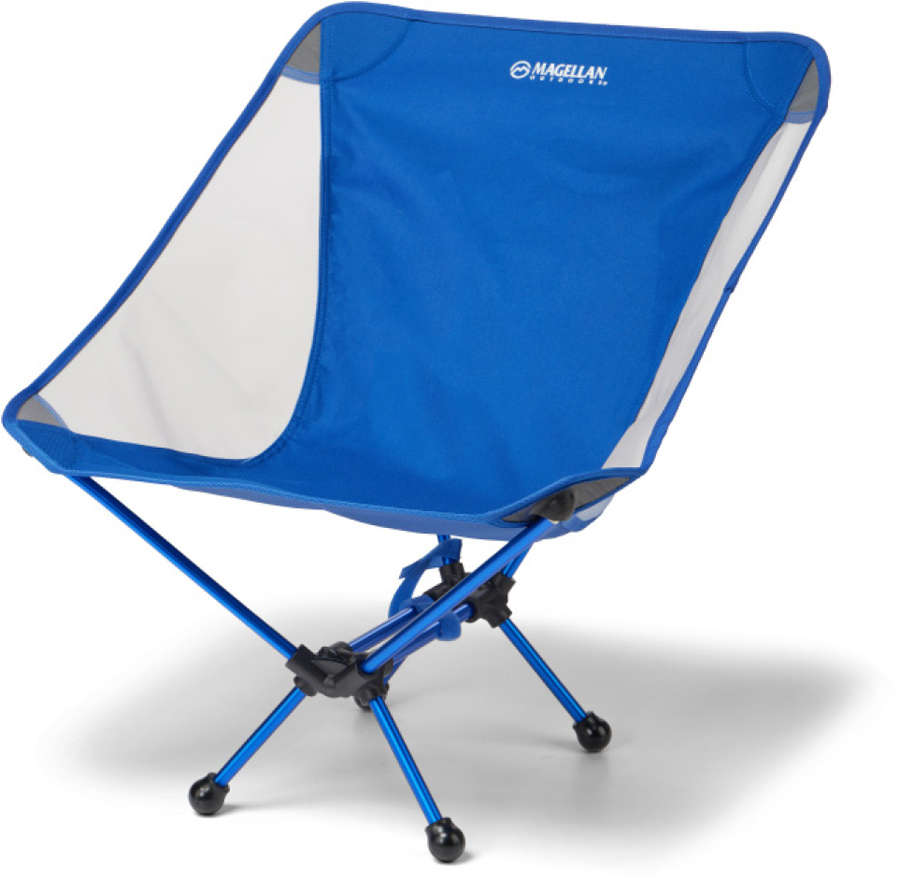
Durable but light camp chair made with aluminum frame. Collapsible and portable. Includes carry bag. $49.99 (academy.com)
Gear To Consider For Desert Recreation
Waterproof, breathable trekking boot made of suede and nylon for flex and traction. Also available with insulated option for winter recreation. $230 (lacrossefootwear.com)
Durable but light camp chair made with aluminum frame. Collapsible and portable. Includes carry bag. $49.99 (academy.com)
That’s why the trail cams on stakes are rolling. They’re aimed at a high-traffic section of fence. The fence pokes through desert sage for miles, farther than the eye can see. The sectional crossers of this boundary line are gathered where a rancher is trying to farm a field in the desert. His crop plot is obvious because it’s where an irrigation pivot soaks a square acreage of alfalfa to lushly irresistible forage in an otherwise moisture-deprived expanse. The wild wants the domestic’s food so there’s a caper afoot at sunset.
A herd of beige elk sneaks its way through an opening among the herd of black cows. The wild cows are going to jump the fence that keeps domestic cows out of the field. Sort of like herd versus herd, but they don’t face off like prize fighters do. They just tolerate each other’s presence, one none the wiser of the other’s devious intent. The wild is going to eat the domestic’s winter feed while they can’t reach it. And they’ll invade under the cover of night to do it. It’s agricultural theft, but try explaining that to an elk.
Beef cows are bulkier than elk cows, but elk cows have longer necks so they look taller. Their heads quietly weave through the shorter crowd like giraffes among zebras. There’s no resistance. The domestic’s part for the wild.
Taller-than-beef-cow elk cow silhouettes approach the fence. The first female, on spindly-lanky legs, plants her back hooves then sniffs the top wire before hoisting her front over the divider. She clears the barbs. She’s in alfalfa. The rest follow her lead. They’re going for it. Elk at sunset for dinner. Pronghorn at sunrise for breakfast. The cattle are oblivious to the theft of their future meal as every big game hop over and slide under is captured on cameras staked in the desert.