

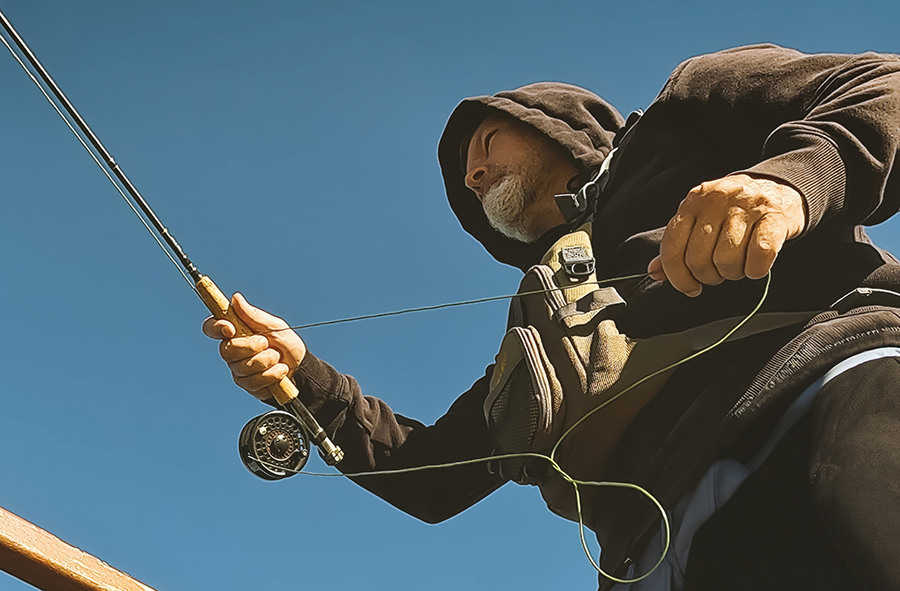
These days, with a cane or forearm crutches in the mix, the question has changed. Not whether I can fish, but how.
Thanks to some progressive neurological issues, I don’t get far without adaptive equipment. So I’ve had to get creative. My current transport around town is an Addmotor 360 e-Trike with a gear basket. It’s not elegant, but it works fine as an ad hoc fishing buggy. I’ve found stretches of the Riverwalk where I can roll right up to the edge of the Snake, set the brake and fish without ever leaving the seat. Clean pavement, gradual grades, railings where you want them. It’s not the backcountry, but the fish don’t seem to mind.
That got me thinking ahead, however. When the day comes that my occasional wheelchair usage becomes the norm, where will I still be able to fish? Turns out, more places than I first assumed.
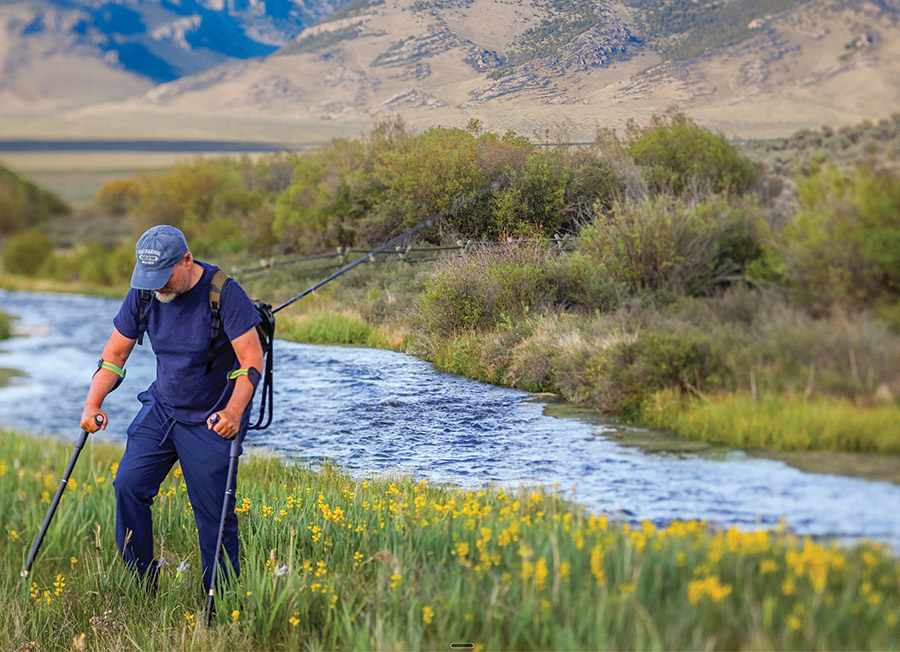
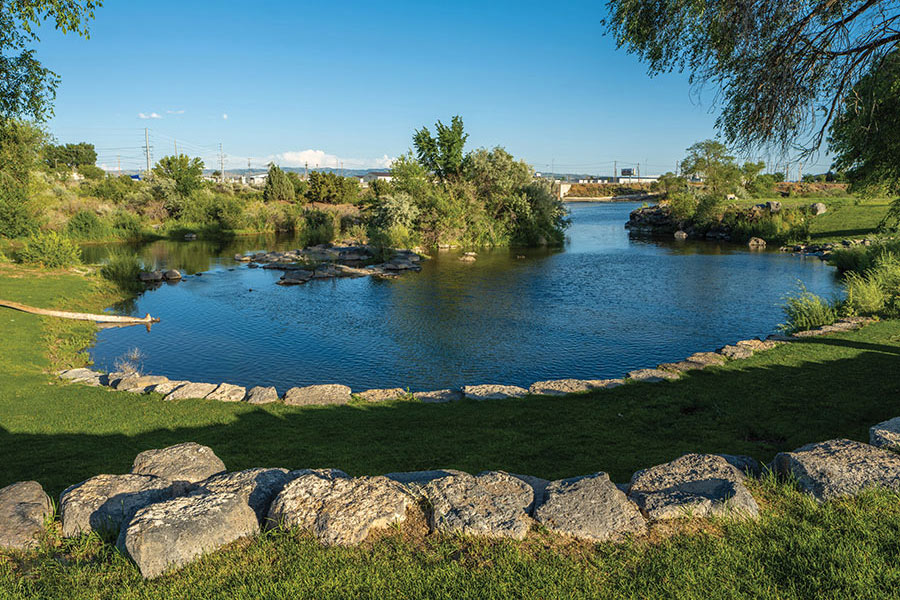
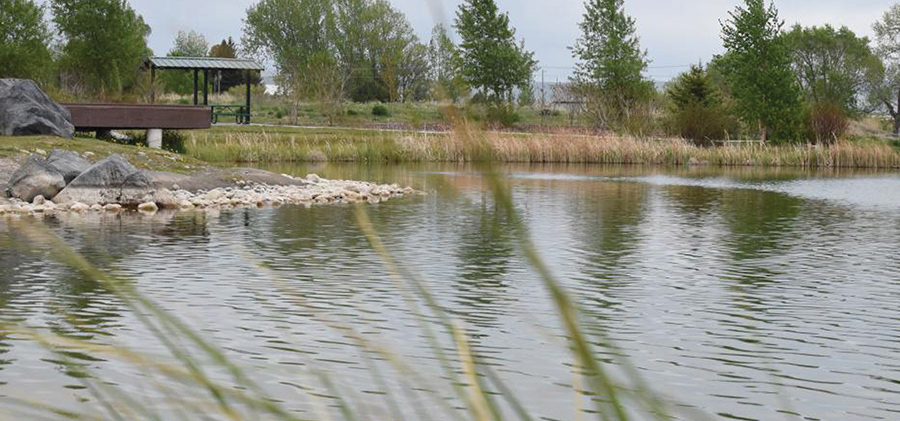
For low-stress, high-access fishing on the southern edge of town, I’d prefer an early-morning visit to Becker Pond at Ryder Park. It’s small, stocked and built for exactly what a lot of us need now: close parking, short approaches and room to set up without navigating loose rock or steep banks. The shoreline is generally forgiving, and the pond’s layout makes it easy to find a quiet corner where you’re not in anyone’s way. It’s a solid option for kids, beginners and anyone working around mobility limits. There’s even a casting platform that’s perfect for casting from a chair. Additional ponds are in development, and it looks like the city has cleared a lot of riverside foliage for easier access as well (although not necessarily for wheelchairs).
Further development includes improved paths, amenities and more defined fishing access around the original pond. The goal is simple: make it easier to get from your vehicle to the water and stay there comfortably. As those upgrades come online, expect smoother routes, clearer staging areas and more consistent edges for chairs, trikes and anyone using assistive gear.
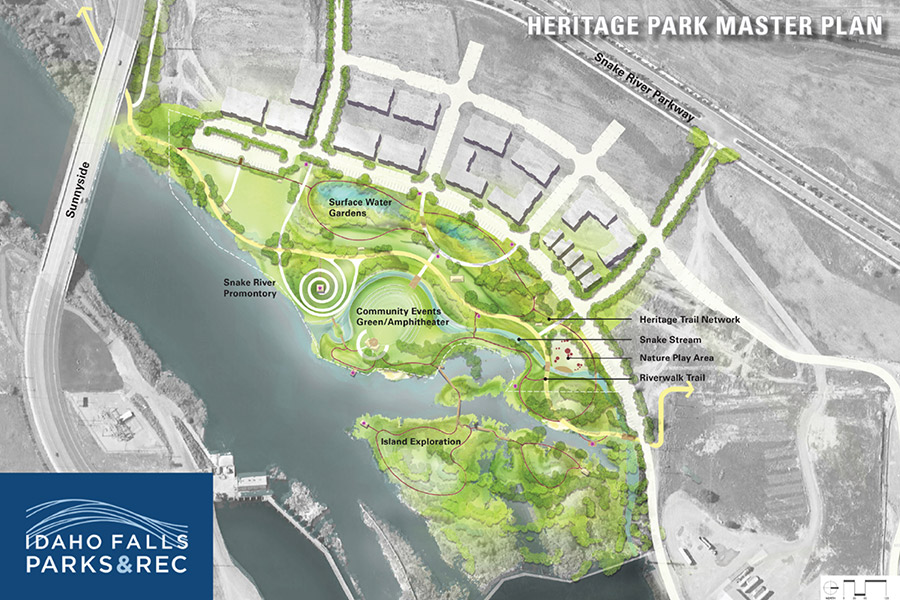
Across Sunnyside, I also have an eye on Snake River Landing. Heritage Park, now under construction, is set to add new riverfront access in a part of the Snake that hasn’t always been user-friendly from a mobility standpoint. Early designs point toward paved paths, graded approaches and defined viewpoints along the bank. Translation: more places where you can roll up, set the brake and fish without improvising every step.
Not to overlook the obvious, there’s also the landing’s namesake pier, right off the Riverwalk at Pier View Drive. Here you can wheel right up to the railing and cast a line for resident rainbow trout.
All these spots lean into the same idea. Fishing doesn’t have to mean fighting the terrain. With the right layout, it becomes about time on (or near) the water again, which is the whole point.
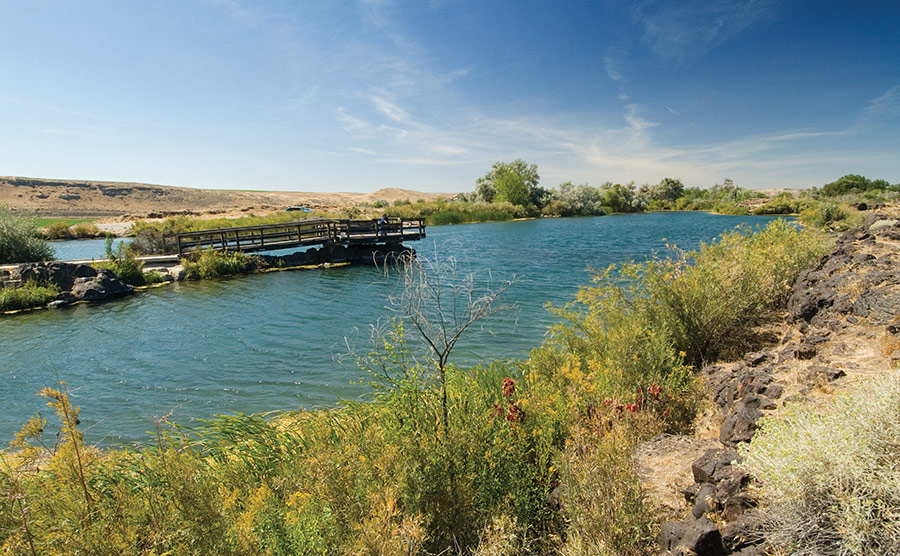
There are also a few worthy road trips for access to the north of Idaho Falls. The primary handicap-accessible fishing spot in Rexburg, for example, is the Rexburg Nature Park Ponds, offering accessible, stocked fishing in a 15-acre park with paved paths and gentle terrain near the South Teton River. Other nearby, highly accessible options include the North Teton River banks and the Robert’s gravel pond with a handicap pier.
Up in Fremont County, I was surprised to find a casting platform right off the riverside trail at Harriman State Park. It’s limited, but there’s plenty of room for a long backcast with a fly rod if you need it. The Warm River Campground also has a few easily accessible perches along the river, especially for an all-terrain chair.
Birch Creek, northwest of Terreton, is another possibility. I don’t know of much reliable wheelchair access, per se, but it was easy enough for me to park close to the bank and cover the remaining distance with my all-terrain rollator or fore-arm crutches.
If you’re willing to make the westward journey over to the Magic Valley area, Hagerman Wildlife Management Area is also worth a shot. It offers excellent wheelchair-accessible fishing, including ADA-accessible docks at Riley Creek Pond and Oster Lake #1. The ponds are all stocked with trout, bass, and bluegill.
Around Sun Valley, the Big Wood River corridor has multiple park access points with maintained paths. Not every stretch is friendly, but enough are that you can piece together a good day without bushwhacking.
Eastward, our neighbors in Wyoming have a few opportunities as well. In Jackson Hole, public access along the Snake includes several developed launches and viewpoints with firm surfaces and short approaches. It’s worth coordinating with a guide here. The river is powerful, and the right boat setup makes all the difference.
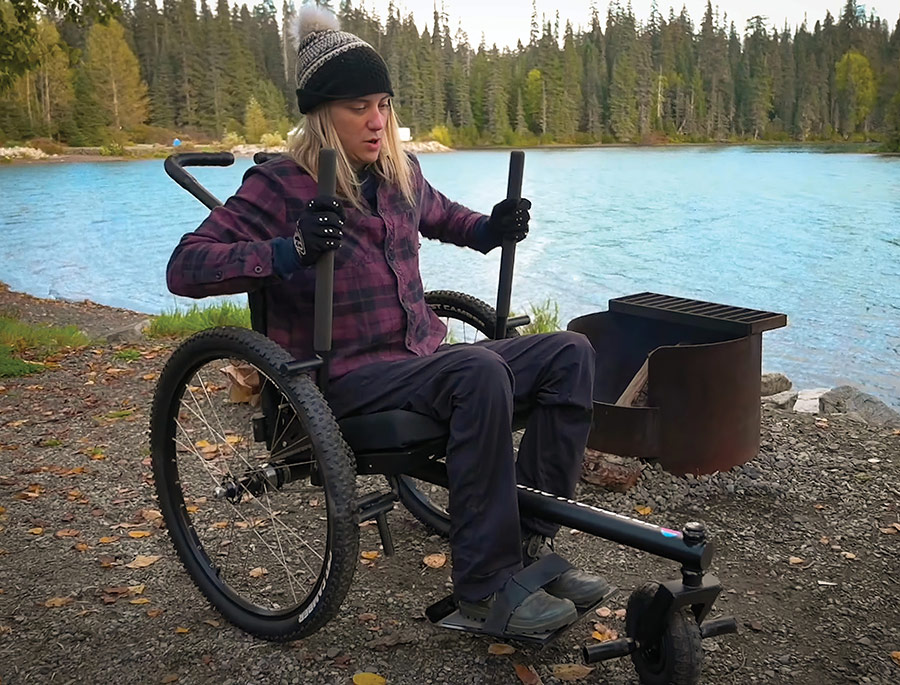
- Stable platform: Whether it’s a three-wheel e-trike or a chair with wider tires, stability beats speed. Soft shoulders and uneven ground by campgrounds are the real enemies, so if you have access to an all-terrain rig, it might be worth the investment. I recommend something like the All-Star Electric Wheelchair. There’s also a fairly new invention called the Grit Freedom Chair. It’s not cheap and it’s woefully short on storage, but it can navigate insanely tricky surfaces. Check it out at gogrit.us.
- Rod holders and anchor points: Simple clamp-on holders free up your hands when you’re repositioning or landing a fish. They also keep gear from taking a swim.
- Compact seating: A backpack with an integrated stool or a lightweight camp seat buys you time on the water when standing isn’t realistic.
- Long-handled nets and hemostats: Extends your reach so you’re not leaning into bad balance.
- Wading alternatives: In many spots, skipping the water entirely and fishing from the bank or a fixed platform is the safer call, but when you do need to get close, rubber mats or traction boards can help bridge soft ground.
It’s less about a single miracle device and more about stacking small advantages until the whole system works.
Regionally, adaptive programs broaden the map:
- Higher Ground (Sun Valley): Runs adaptive recreation, including fly fishing days with trained staff and volunteers. They handle equipment and logistics so you can focus on the water.
- Teton Adaptive Sports (Jackson Hole): Offers summer programs that can include fishing and on-water experiences tailored to a range of abilities.
- Local chapters of Idaho Fish and Game can point you toward accessible fishing sites and any recent improvements or closures.
These days the cast starts from a different place. Same river, different angle. And as long as I keep an open mind and a little creativity in my kit, eastern Idaho still gives me plenty of room to work.