




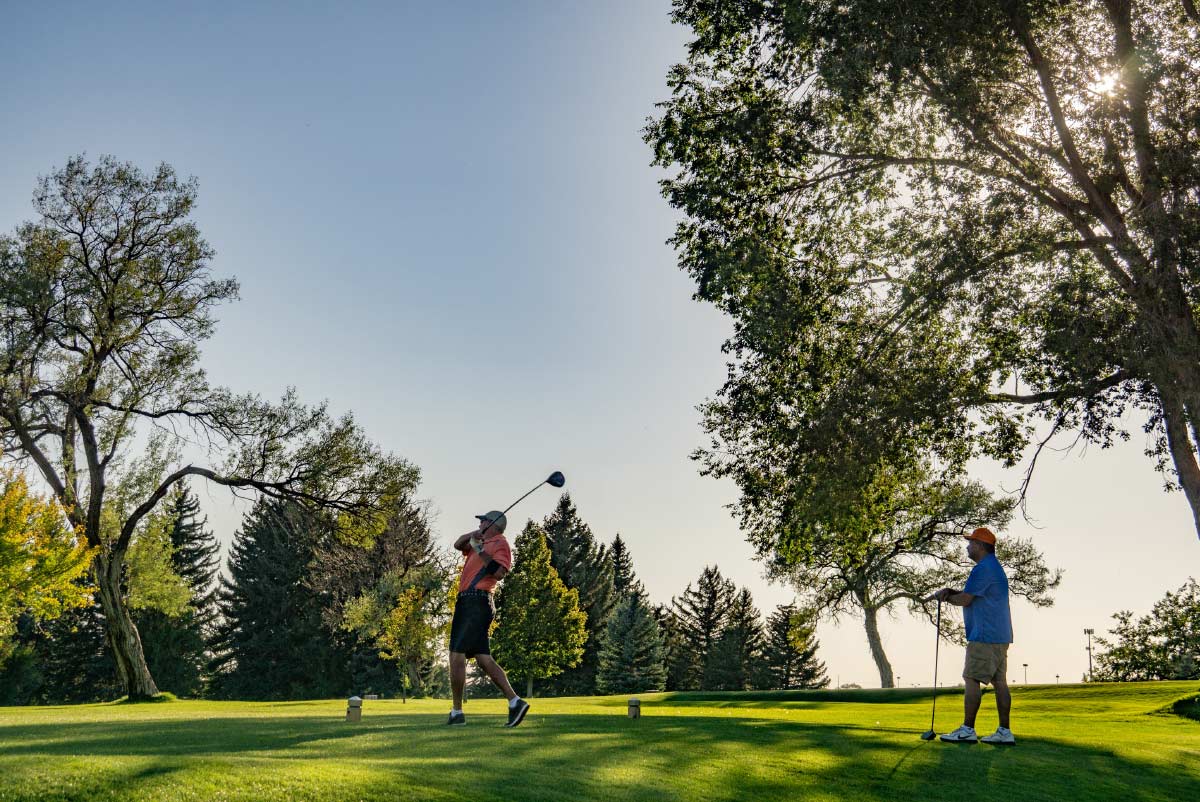

Now celebrating 90 years, this centrally located stretch of green represents a stroll through Idaho Falls history. A place where the game, the town and the people who built both have been intertwined since the 1930s.
And like most things with staying power around here, it didn’t start pretty.
The greens were sand.
The fairways were dirt.
The budget was thin.
Back in 1935, in the middle of the Great Depression, the struggling Idaho Falls Country Club handed the keys over to the city. What followed was less a grand opening and more a long, stubborn climb toward something playable. Pinecrest officially opened in 1936 as a Works Progress Administration project, with a front nine that was rudimentary at best and a back nine carved out of sagebrush and bare earth.
What it lacked in polish, however, it made up for in belief. Early members thought they had something special. They just needed someone to prove it. Enter George Orullian.
Pinecrest’s first head professional wasn’t just a golf pro. He was a builder, promoter, experimenter and, often, part-time farmer. He oversaw nearly every stage of the course’s early evolution, from planting trees to figuring out how to grow grass in stubborn Idaho soil.
At one point, that meant hauling in sheep manure from a local stockyard and spreading it across the fairways before winter. It worked. When the snow melted, Pinecrest turned green—really green—for the first time.
Those early trees Orullian and his crews transplanted—some just a few feet tall at the time—now tower over the course, shaping nearly every shot and giving Pinecrest its defining character.
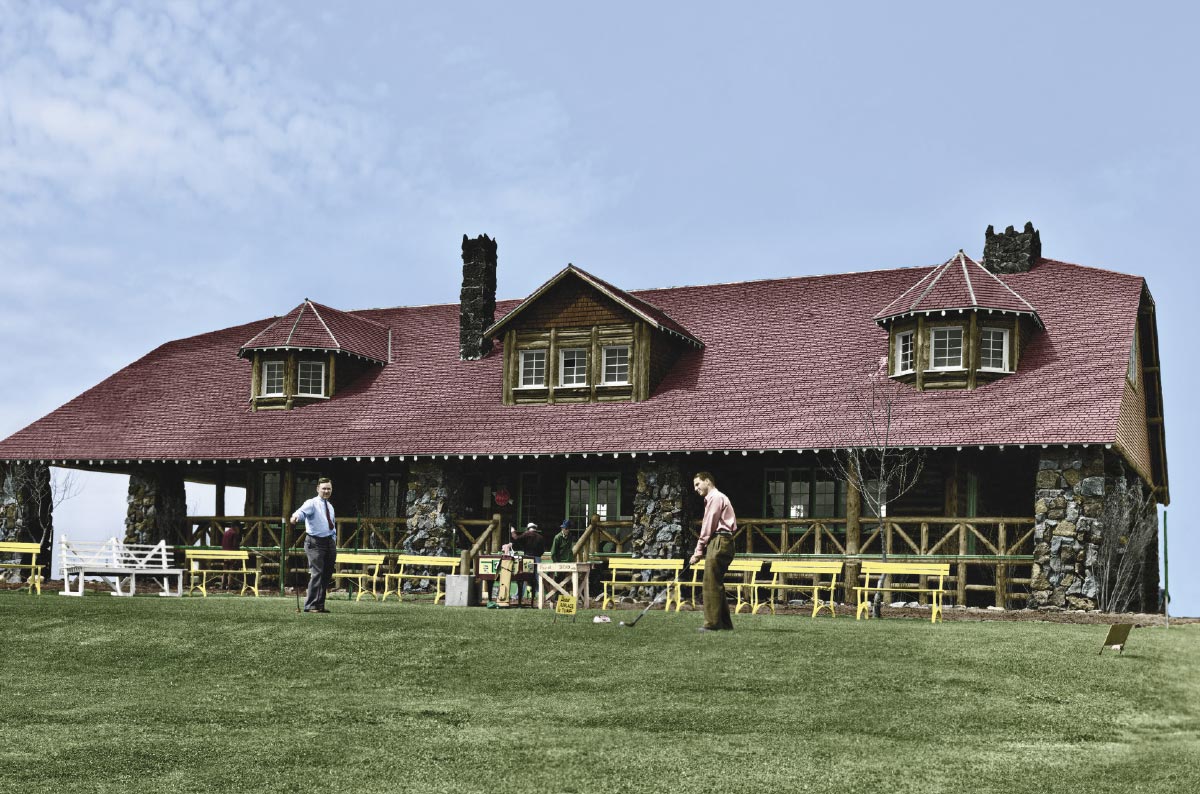
“The walls certainly help tell the story,” former head pro Tim Reinke said during a recent visit to the clubhouse, pointing to historic photos from the course’s early days.
Back then, the course stood mostly bare. Today, it’s anything but.
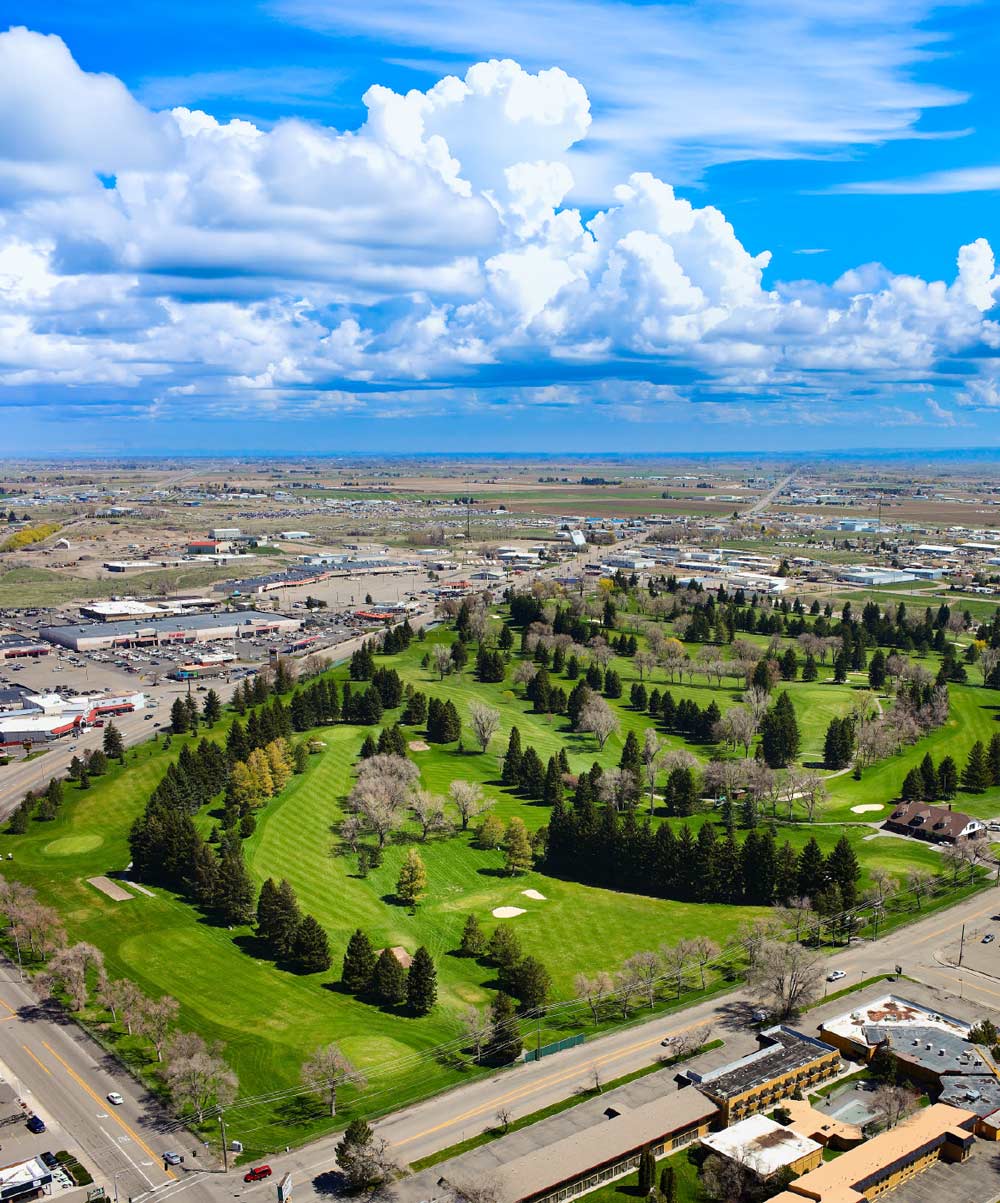
Over the decades, Pinecrest has matured into a tree-lined par-70 layout known for tight fairways, small greens and just enough trouble to keep even seasoned players honest. It remains the most sought-after tee time in Idaho Falls, and for good reason.


He launched one of Idaho’s first junior golf programs and made a strong push for women’s competition, helping elevate local players to state and regional prominence. By the early 1940s, Idaho Falls golfers—men and women alike—were making noise well beyond city limits. The course itself followed suit.
Top names in the game began filtering through. Patty Berg. Byron Nelson. Billy Casper. And yes, Sam Snead, who once remarked that with a few tweaks, Pinecrest could host a U.S. Open.
By the 1940s and ’50s, Pinecrest had become a hub for tournaments, social events and community life. It hosted state championships, launched the Idaho Open and even flirted with landing a PGA Tour stop before logistics got in the way. Through it all, the course kept evolving.
City leaders, grounds crews and longtime stewards like Russ Freeman and Chuck Deming helped shape the landscape, while successive pros carried forward Orullian’s original vision. Today, that torch is still burning, with maintenance crews and staff preserving both the playability and the personality of the course.
That includes new head professional Sean Thomsen, who took over for Reinke last spring. Following stints as an assistant PGA pro at Pinecrest and the Idaho Falls Country Club, Thomsen brings 17 years of experience to his new position at Old Piney.
As for the course itself, Pinecrest isn’t a long course by modern standards. In fact, it doesn’t even have a driving range like Sand Creek or Sage Lakes. What it does have is character and memory—layered into every fairway, every tree, every stubborn little green that refuses to give up an easy putt. (Lookin’ at you, No 8.)
It’s where generations learned the game. Where junior golfers grew up. Where longtime players still walk the same lines they’ve been walking for decades.
Ninety years after its unlikely start, Pinecrest remains exactly what it was always meant to be: a public course built by a community, for a community.
Only now, it just happens to be one of the best rounds in the West.