


The angst over killing one fish to save another
by kris millgate
“We as humans have done poorly at conserving species throughout history,” says Sage Unsworth, Idaho Department of Fish and Game Upper Snake Region fisheries biologist and staffer in charge of South Fork rainbow removal. “Now that we have better information, we should change our practices to eliminate some of the harm we have done.”
Idaho Department of Fish and Game introduced rainbow trout to native cutthroat trout waterways in the 1940s. Like trout transplanted all over the country for sport, Idaho anglers took to the new option quickly. But bows reduce the presence of cutties so now rainbow harvest is encouraged on the South Fork of the Snake River.
State surveys show the public agrees with saving cutthroats, but public action proves otherwise. Many fishers, especially the fly variety, prefer to catch and release trout. When catch and keep didn’t catch on, even with $1,000 bounties on rainbows, the agency started shocking fish every spring. Belly-up-stunned fish were netted and sorted. Cutthroats were returned to the river. Rainbows and hybrids were rerouted to urban ponds. Anglers, especially guides, hate the shocking program even more than they hate harvesting rainbows.
“This is a challenging issue,” says Oliver White, fly fishing guide and South Fork Lodge partner. “I am not a believer in the eradication of rainbows. At the same time, I’m pragmatic. Those fish were coming out no matter what. I thought there was a better way to do it.”
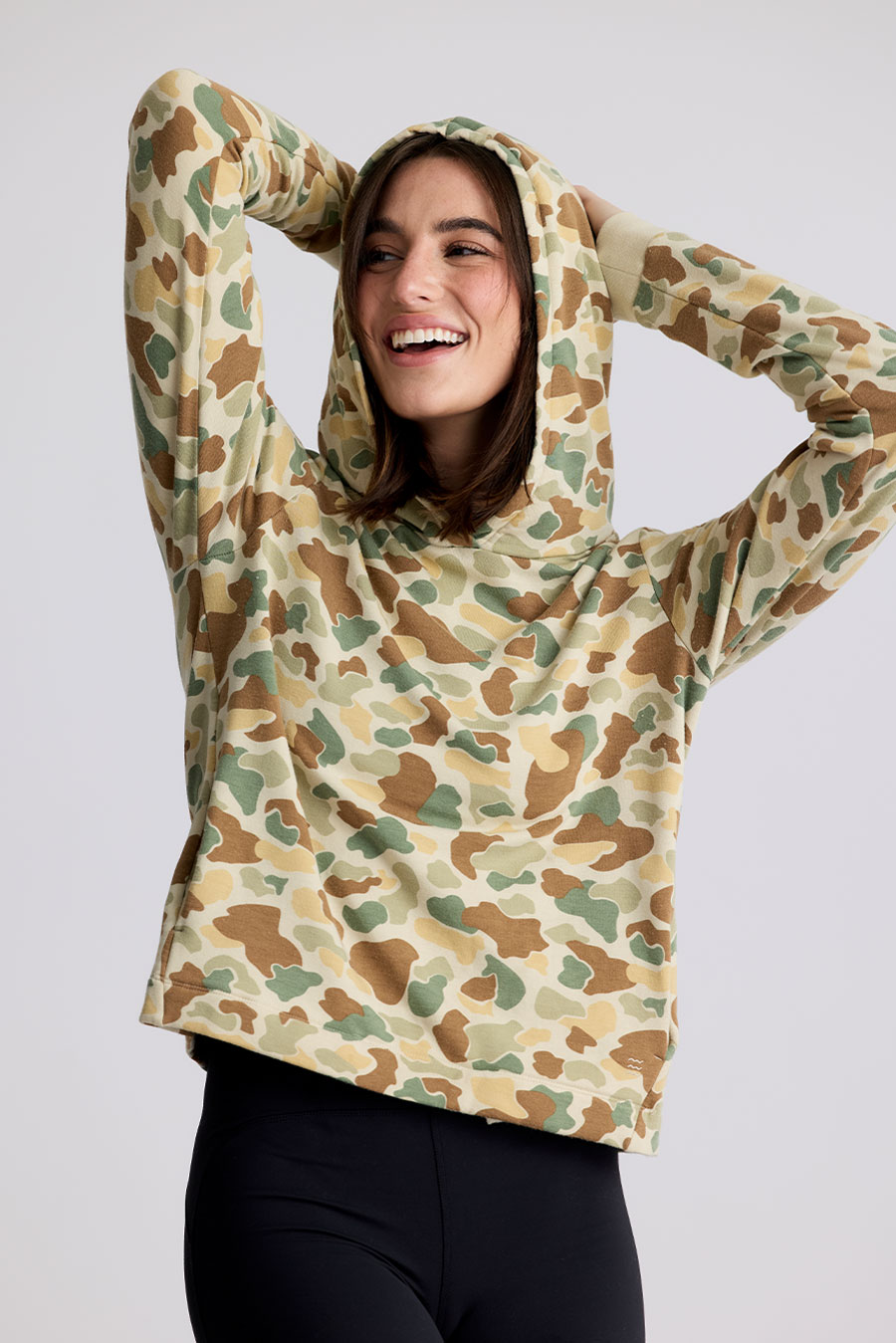
Take this soft layer on your next river trip for coziness at dawn and dusk. Made of bamboo with front pockets and hooded for sun shade. Cropped for women. Also available in men’s sizes. $98 (freeflyapparel.com)
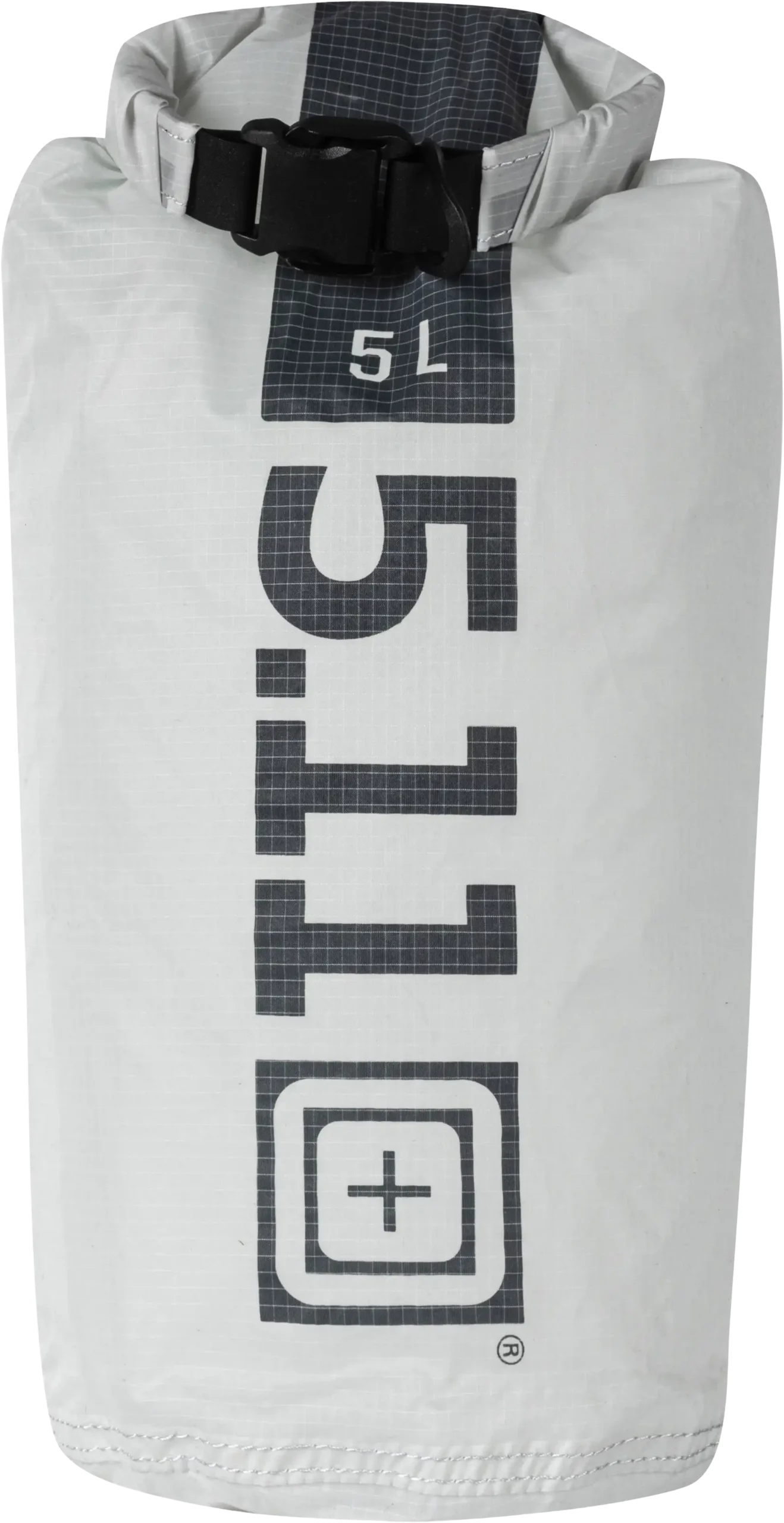
Toss this waterproof, roll-top, buckled bag in your boat for snacks, wallets, medications and sunscreen. Made of silicone-coated, ripstop nylon with taped seams. $25 (511tactical.com)
Take this soft layer on your next river trip for coziness at dawn and dusk. Made of bamboo with front pockets and hooded for sun shade. Cropped for women. Also available in men’s sizes. $98 (freeflyapparel.com)
Toss this waterproof, roll-top, buckled bag in your boat for snacks, wallets, medications and sunscreen. Made of silicone-coated, ripstop nylon with taped seams. $25 (511tactical.com)
Rainbow Trout Removal
Year
2025:
2024:
Quota
8,229
3,996
South Fork Lodge
6,409
2,967
106
224
1,774
816
8,289
4,007
Before those bags held fin, they housed ice, chips, entire lunches. There are also heads wedged into condiment cups then sandwiched between fully finned carcasses. The motivation for submitting fish heads is money. Some trout have bounty tags in their snout. An angler’s eye won’t see it, but a technicians beeping scanner will detect it. The unbag and beep routine happens weekly in that crowded corner lab containing more coolers and garbage cans than sinks and chairs.
The goal is 30 percent of non-native rainbow trout removed annually from the South Fork of the Snake River. In 2024, that meant 3,996 rainbows. In 2025, the target more than doubled to 8,229 because a big water year two years prior resulted in a flood of catchable abundance.
The ask seemed insurmountable. Take it as far as insulting for many people because most catch and release anglers haven’t kept a trout in decades. When the 2025 quota spawned beyond double, repeating the feat seemed impossible. Despite that, South Fork Lodge carried the bulk of the commitment alone again. Its guides, and their clients, turned in 6,409 rainbow trout. All other guides turned in 106 rainbow trout, combined. The general public turned in 1,774 rainbows for a total of 8,289.
“I’m very pleasantly surprised,” Unsworth says. “It was definitely a push, but it’s really encouraging. It shows the benefits of citizen participation within natural resource conservation.”
The turned-in fish turned into 670 pounds of meat for local food banks in 2025. Thirty-six of those fish had tags in their snouts valued at $3,300 in bounty payouts, including one worth $1,000. As long as Fish and Game gets what it wants, 30 percent of rainbows removed annually, anglers will get what they want. A system that isn’t shocked in the spring.